Fear of ageing is a topic that has been documented on film for years, from iconic 1950s drama Sunset Boulevard to Goldie Hawn and Meryl Streep's classic dark comedy Death Becomes Her in the early 1990s.
And of course, earlier this year there was Demi Moore's Golden Globe win for her brilliant role in the chilling, satirical horror movie The Substance, in which she plays an actress who goes to terrifying extents to look younger after being rejected by the industry for being "too old".
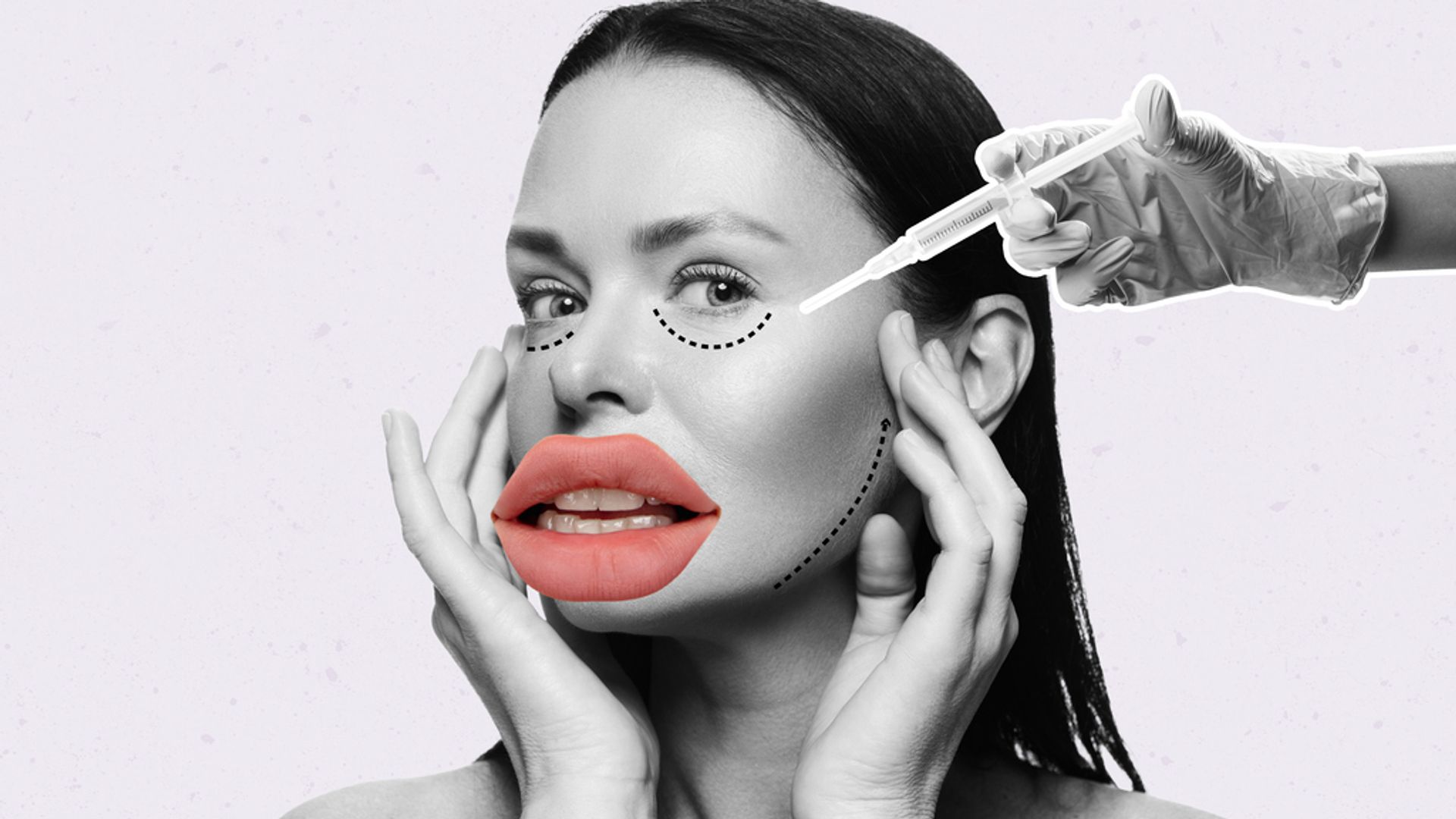
While many in midlife can relate to the social pressure to stay young, it can go too far - resulting in an exaggerated fear of ageing called "midorexia", a term coined by British journalist Shane Watson in 2016.
What is midorexia? Understanding the fear of ageing
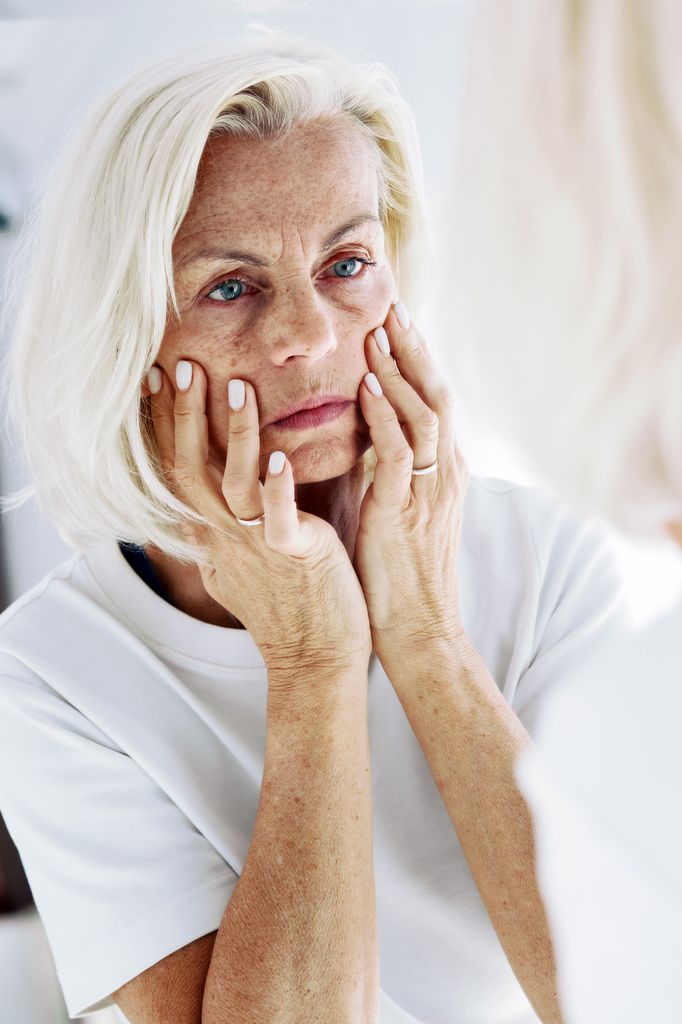
Cosmetic surgeon Dr Luis López Tallaj clarifies that midorexia isn't just a passing worry about getting older.
 © Getty
"[This isn't] referring to a fleeting fear, which is perfectly normal at certain points in life, but rather a persistent fear that leads to anxiety and the obsessive need to 'correct' any physical changes [as you age]."
The scale of this phenomenon is significant. According to psychoanalyst Juan Martínez-Mena, the percentage of patients struggling with it is quite high if we look exclusively at aesthetic medicine. In fact, a staggering 53% of patients show signs of being obsessively preoccupied with halting the ageing process.
Midorexia is a persistent anxiety about ageing with an obsessive need to 'correct' any physical changes as soon as they appear
Signs & symptoms: When aesthetic treatments go too far
Mental health expert Martínez-Mena notes a troubling shift in our society. "Never in history has the belief that the appearance of physical youth equates to worth and success been so socially widespread; 'looking your age' is considered almost a personal failure."
Meanwhile, psychiatrist Dr Remedios Gutiérrez reveals that people suffering from midorexia tend to want to disguise the signs of ageing with aesthetic procedures the minute they see a change, which often results in over-treatment. This type of person may also take diets and exercise to the extreme.
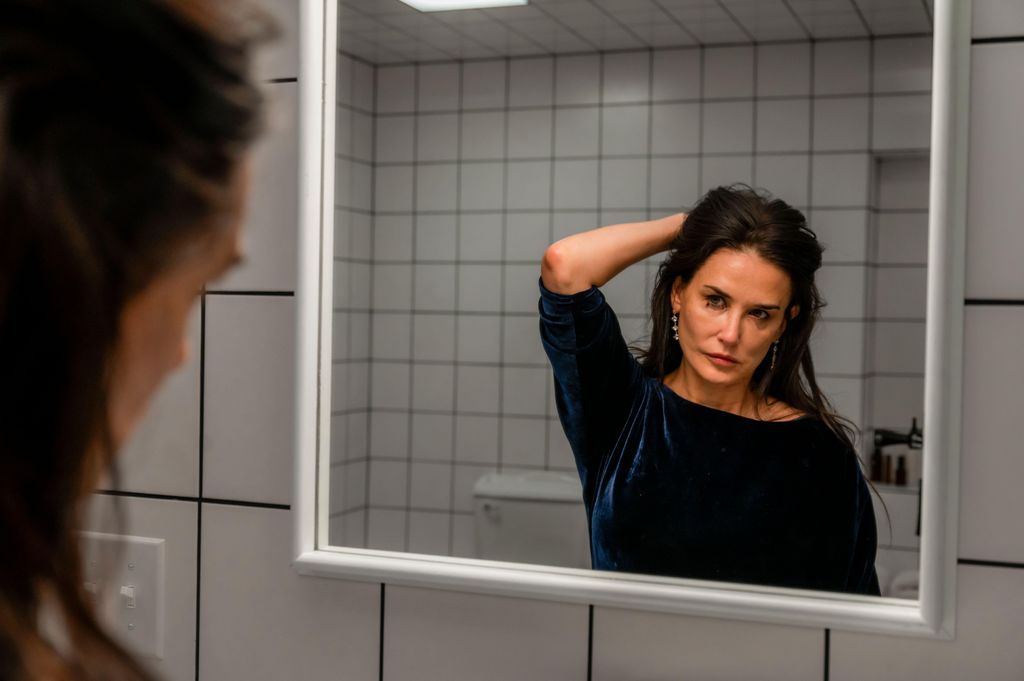 © BFA / Alamy Stock Photo
According to Dr Gutiérrez, there is just one solution. "Learning to accept the changes that are intrinsic to ageing."
However, she also adds that the best preventative measure to avoid a patient slipping into an obsession "is a genuine partnership between aesthetic specialists and therapists. We must prioritise the patient's mental health, ensuring that suspected cases of midorexia, dysmorphia or eating disorders are referred to the right experts."
The 'Mindful Beauty' solution: Expert tips to age gracefully
Dr. Tallaj suggests looking to public figures who approach cosmetic treatments while ageing in a more subtle way. "The goal is to find those who may have had 'tweaks' or surgery, but always in a way that respects their natural features rather than distorting them," he notes.
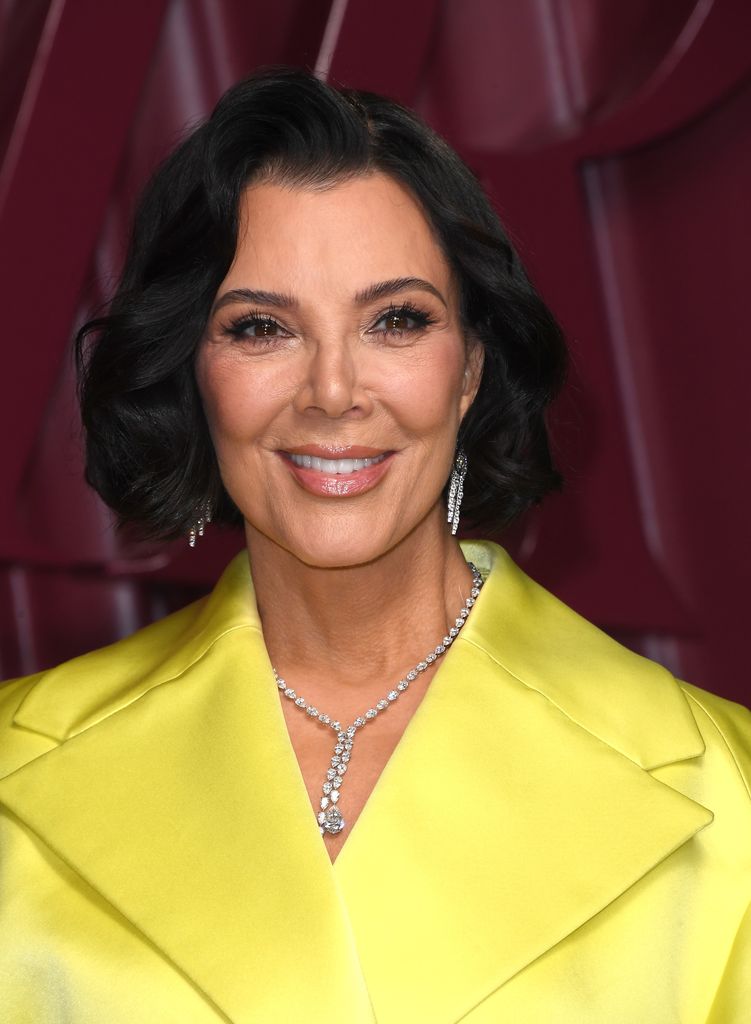 © FilmMagic
It's also important to keep following tips in mind:
- Focus on facial posture correction: Good "facial posture" (the way we hold our muscles and expression) is a hidden key to ageing gracefully.
- Look after your diet: A balanced diet is the foundation of skin health.
- Adopt a 'mindful beauty' approach: Enjoy your skincare routine and every beauty treatment as self-care - not an obsession with perfection.
- SPF is a must: Protect your skin from the sun and follow a good skincare routine
- Seek your 'best self'. Don't seek aesthetic treatments to make yourself look like someone else - use them to enhance your unique features, and aim for a look in line with your age to avoid artificial-looking results.
- Only see certified specialists: Always put yourself in the hands of genuine professionals.
- Put well-being first: Prioritise your mental health above all else.
All of the above seems connected to the sentiment of Dr John Tsagaris, considered the best acupuncturist in the world, trusted by actresses like Penélope Cruz.
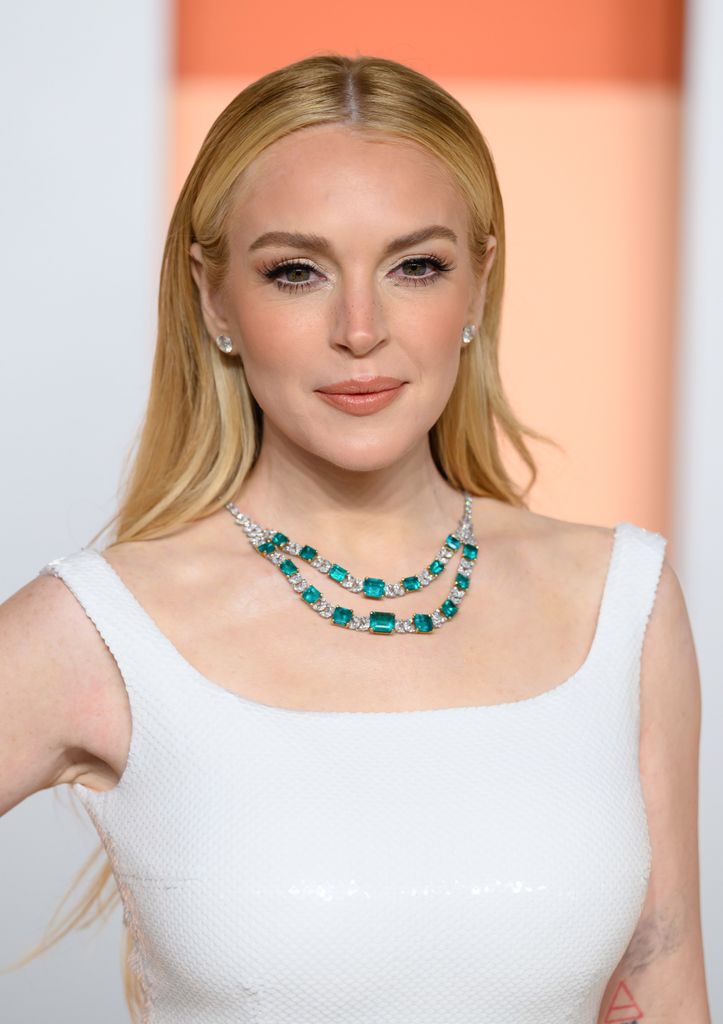 © WireImage
He told the Times: “For me anti-ageing is a very misleading word,” he says. “No matter what we do, we are not going to reverse ageing. For me it is about optimising your own resources and looking the best you can at the age you are, rather than looking like someone different.”
Ageing well doesn't mean rejecting aesthetic surgery and medicine; instead, try to use them responsibly.